|
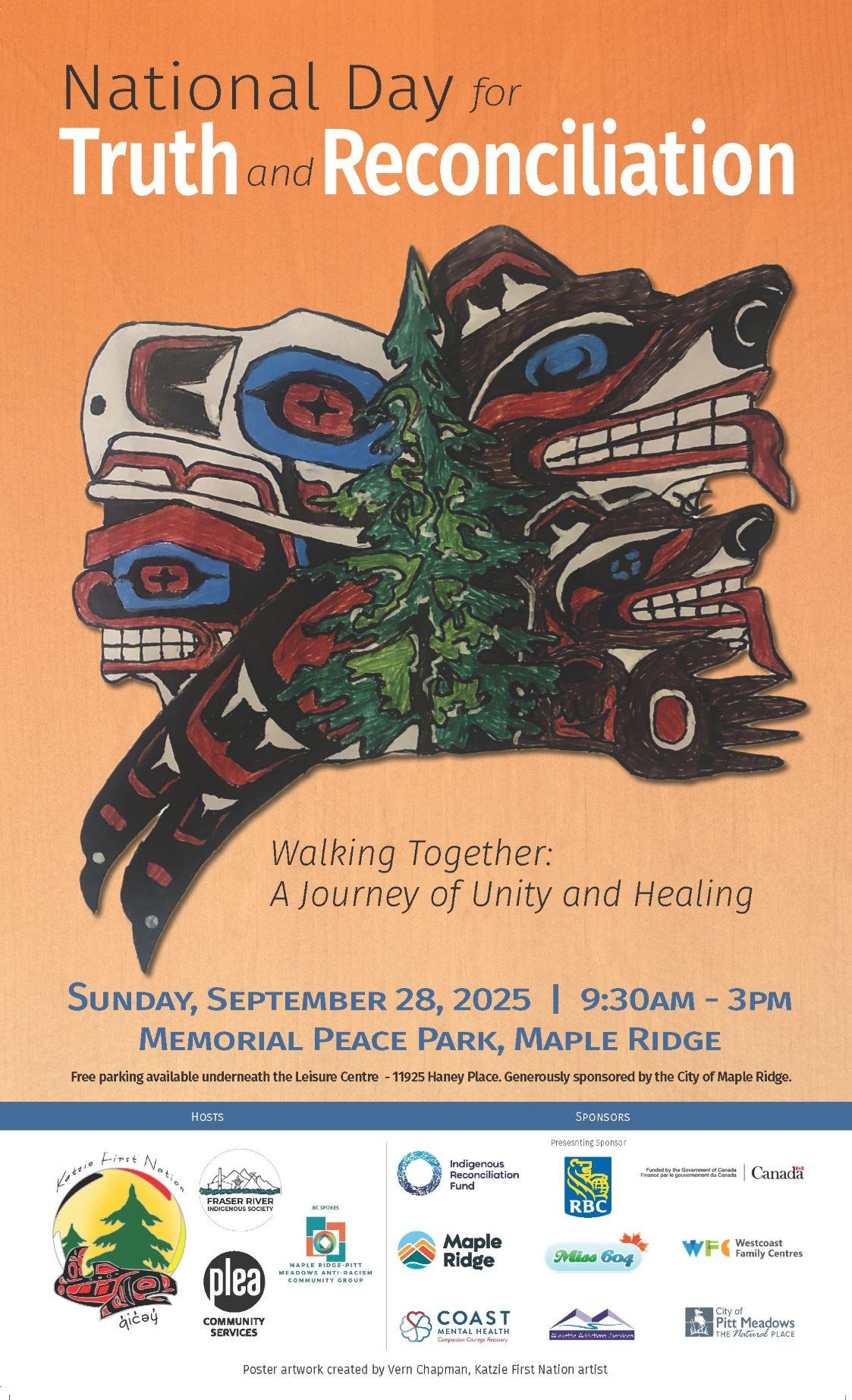
The event has been built through collaboration and careful reflection. We will welcome 50 artisans, vendors, and community organizations, with support from partners across many sectors. The Planning Committee also chose to step onto new ground this year by opening space for dialogue and collaboration with institutions whose roles in the residential school system caused deep harm and trauma. Their presence and support represent a step toward accountability and a commitment to walk in a new direction. These conversations were not simple or easy, but they were necessary. By choosing to work together, we acknowledge that reconciliation calls all of us forward – regardless of history and sometimes in spite of it. What matters is the commitment to move in a better direction now, alongside one another.
The day will offer many ways to learn, connect, and heal:
- cultural sharing by Indigenous drum groups, dancers, and storytellers
- a contribution of cultural artistry by local Indigenous hip hop artist Brandon Peters
- free family activities such as orange shirt painting, a community art project, and a healing tent for those impacted by the day or by the past
- opportunities to listen and learn more about Truth and Reconciliation, the past, and present, and the path forward.
This gathering is one step in a long journey, and we hope you can join us.
I also wanted to share more information about PLEA’s commitment to Truth and Reconciliation as an organization.
At PLEA, more than 30% of the people we serve are Indigenous. We are committed to being allies in Truth and Reconciliation – not just in words, but in practice. You can read more about our approach to allyship in PLEA’s latest Impact Report. We recognize that one of the most important responsibilities for anyone or any organization committed to this path, or seeking to be an ally in reconciliation, is to remain open: to listen, to learn, and to accept the truths that Survivors and the families of those who never returned home continue to share. There can be no real reconciliation without acceptance of that truth.
Further, I want to acknowledge the courage of our staff who are helping to lead this important work. The path is not always well marked, but their commitment to advancing Truth and Reconciliation in real, tangible ways makes me deeply proud.
|